





The power goes out during a fierce summer storm, and at first it’s almost cozy, a few candles, a little unexpected quiet, right up until the fridge slowly starts warming, the AC dies completely in the heat, the sump pump quits, and suddenly an outage feels a whole lot less like an adventure and a whole lot more like a real problem. That’s almost always the exact moment people start seriously researching a whole house generator installation in Cave Spring, Virginia, because the right standby system genuinely means your home barely even notices the grid went down at all. Most folks honestly only ever think about backup power while they’re already sitting there in the pitch dark. By then, of course, it’s already far, far too late for it to actually help you. So let’s calmly figure out whether your property is genuinely ready for one of these.
1. What a Whole-House Generator Actually Does
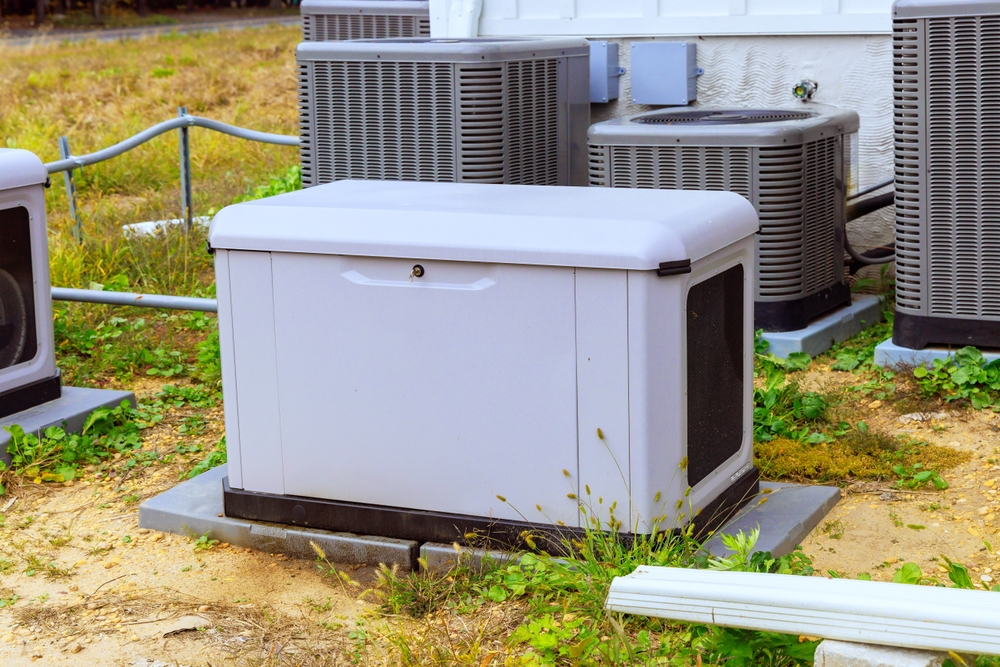
A real standby generator isn’t the loud, smelly gas-can portable unit you have to wrestle out of the garage every time. It’s a permanent system that sits quietly right beside your house, wired straight into your electrical panel and fueled steadily by natural gas or propane. The very moment the power drops out, it senses the outage and starts up all on its own, usually within just seconds, with zero effort required from you at all. Your lights, the fridge, the AC, any medical equipment, and the sump pump all simply keep right on running like absolutely nothing had happened. For anyone who’s ever sat through one long, miserable Virginia outage, that kind of seamless, fully automatic backup is honestly genuinely hard to overstate.
2. Knowing Your Real Backup Options First
Before you actually buy anything at all, it really helps to first understand the full range of your real choices here. Your main emergency backup power options honestly run all the way from small portable generators, to mid-sized units that power just a few key circuits, right up to a full standby system that powers the entire house. Portables are definitely cheaper, but they need manual setup, constant refueling, and can never be run safely indoors. A whole standby unit costs more up front, but kicks on completely automatically and powers everything without you ever lifting a single finger. Which one actually fits really comes down to just how much of your home you truly need to keep running and how genuinely hands-off you want the whole thing to be.
3. The Transfer Switch and What It Really Costs
Here’s the genuine unsung hero of any real generator setup: the humble transfer switch. This one device safely disconnects your whole home from the grid and connects it instead to the generator, so power can never once backfeed onto the utility lines, which can genuinely kill a lineman. The transfer switch installation price is honestly a real part of your overall budget, but it’s also the single component that makes the entire system both safe and fully legal. An automatic transfer switch handles the whole swap for you in just seconds, while a manual one is cheaper but requires you to physically flip it yourself every single time. Either way, it is genuinely not optional at all; it’s the literal safety heart of the entire installation.
4. Sizing It Right for a Real Storm Season
A generator only ever truly helps you if it’s actually big enough for your home’s real needs. Proper sizing means carefully adding up everything you want to run during an outage, just the bare essentials like the fridge, AC, and well pump, or genuinely everything in the house. Undersize the unit and you’ll be stuck anxiously choosing what to sacrifice right in the middle of a storm, while oversizing it just means you’ve quietly overspent for no real reason. When it comes to preventing summer storm power outages from totally disrupting your daily life, a properly sized standby unit is the whole difference between a minor blip and days of pure misery. A good pro carefully runs all of the numbers so your generator comfortably carries the real load you’ll actually end up demanding of it.
5. Why This Genuinely Needs a Licensed Pro
A whole-house generator sits right at the intersection of two things you really shouldn’t ever DIY: high-voltage electrical and live gas fuel lines. A qualified generator hookup residential electrician properly handles all the permits, the transfer switch wiring, the correct grounding, and the careful coordination with a gas line, every bit of it to code. Done wrong, you genuinely risk backfeed, fire, carbon monoxide, or a failed inspection that quietly voids your whole warranty. A good pro also confirms the unit is placed safely and then tests the automatic startup so it actually works the day you really need it. This is honestly one project where the cost of doing it all right the first time is far, far smaller than the steep, dangerous cost of ever doing it wrong.
A whole-house generator genuinely turns a dreaded multi-day outage into a complete non-event, your home humming quietly along while the whole neighborhood sits dark around you. Getting there really means choosing the right type of unit, budgeting properly for a transfer switch, sizing it all honestly, and then trusting a licensed pro to tie the electrical and the gas together safely. Done right the first time, it’s the kind of deep peace of mind that genuinely pays off every single storm season for years. That careful, measured, code-first kind of work is exactly what Cline Electrical has been built on since 1997, a family-owned team with over twenty-five years of fully licensed experience powering homes all across Cave Spring and the greater Roanoke area. Before the very next big storm rolls in, they’ll assess your property, properly size the system, and install it so your lights simply stay on.
“Tired of losing power every storm? A standby generator keeps you running. Call Cline Electrical at 540-701-0110 for a free generator assessment today.”
FAQs
Q1: How much does a whole-house generator cost in Cave Spring, Virginia?
In Cave Spring, Virginia, the total varies with the generator’s size, fuel type, and whether a new transfer switch and gas line are needed. A standby unit costs more than a portable but runs automatically. A licensed electrician can size your home’s load and give a clear, itemized quote.
Q2: Do I need a transfer switch for a generator in Cave Spring, Virginia?
For homeowners in Cave Spring, Virginia, yes, a transfer switch is required and essential. It safely separates your home from the grid so power can’t backfeed and endanger line workers. Automatic switches do this in seconds, and a licensed electrician installs it to code as part of the setup.
Q3: What size generator do I need in Cave Spring, Virginia?
Around Cave Spring, Virginia, the right size depends on whether you want to power just essentials or your whole home. Adding up the fridge, AC, well pump, and other loads sets the target. A licensed electrician runs the numbers so the unit isn’t undersized for a storm or costly overkill.