





Your kitchen exhaust system works harder than almost anything else in the building. That’s why many restaurant owners turn to exhaust solutions in Roanoke, VA, when the first signs of trouble appear. These systems rarely fail without warning. A strange smell, an unusually loud fan, or smoke that hangs in the air often points to a growing issue. Catching those clues early can prevent costly downtime and keep your kitchen running smoothly.
1. When the Smoke Just Won’t Go Up
Think about the grill going during a rush. The smoke should shoot straight up into the hood and disappear. If it drifts sideways or just hangs there, your system is losing steam. A good setup grabs air fast and pulls it out clean. When it slows, heat gets trapped, the cooks start sweating, and the room feels stuffy by noon. Usually the cause is simple. A grease-packed filter, a worn fan, or a clogged duct. None of it fixes itself. The longer you wait, the harder it works and the higher your bill climbs. Caught early, it’s a cheap repair. Caught late, it’s a real headache.
2. That Smell Is Trying to Tell You Something
A kitchen should smell like dinner, not like a fryer that hasn’t been cleaned in weeks. When old grease and stale smoke drift into the dining room, that’s your exhaust waving a red flag. It isn’t moving the bad air out anymore. Customers notice that smell way before you do, and one bad review about it stings more than a slow night. Sometimes it’s a clogged filter. Other times the duct is coated inside, so it just keeps pushing the same dirty air around. The fix is rarely hard, but it gets worse the longer it sits. Your nose is a decent inspector. Trust it, and act before the smell becomes the thing people remember about your place.
3. Listen to the Fan Before It Quits
The rooftop fan keeps the entire ventilation system moving, and it almost always gives a warning before it fails. Grinding, rattling, or high-pitched whining often points to worn parts or a failing belt. That’s why commercial kitchen exhaust services matter. During routine inspections, technicians can catch small issues before they shut down a busy kitchen. Excessive vibration is another red flag. A properly working fan should run smoothly, quietly, and without drawing attention.
4. The Grease You Can’t See Is the Real Danger
Now the part nobody likes to think about. Every shift, a thin layer of grease builds up inside your ductwork where you can’t see it. That grease is fuel. One spark, one overheated duct, and it can catch fire and race through the roof before anyone reacts. Fire codes set strict cleaning schedules for a reason. Simple test. If it’s been over six months and you can’t remember the last cleaning, you’re late. Wipe a finger along the hood edge. If it comes back dark and sticky, the ducts above are far worse. Don’t push this one to next quarter. A scheduled cleaning today beats a 2 a.m. call from the fire department.
5. When the Inspector Starts Taking Notes
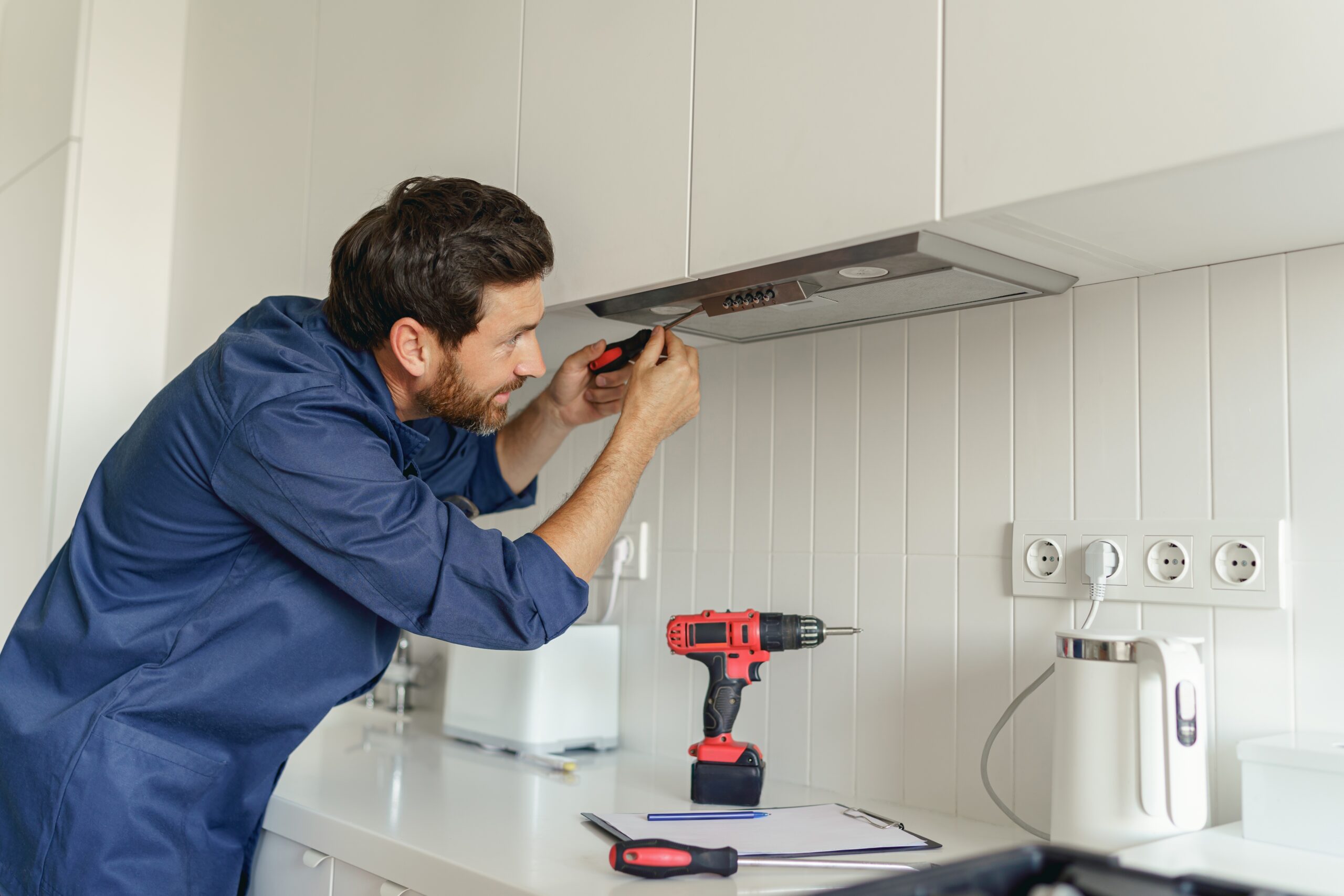
Every health and fire inspection digs into your exhaust setup, and a failing one is the fastest way to earn a citation. Watch for flickering hood lights, breakers that trip when the fan starts, or a switch that feels warm. Those point to electrical trouble behind the panel, and they’re not small. Loose wiring near all that grease is a real danger, and a sharp inspector spots it fast. If your breaker keeps popping every time the fan kicks on, the system is asking for help. Treat these signs as a heads-up. Fixing it on your own clock beats scrambling after a fine. A small fix today is always cheaper than closing your doors tomorrow.
Your exhaust system keeps the kitchen safe, breathable, and legal, and it almost always warns you before it gives out. Weak airflow, bad smells, a loud fan, grease you can feel, breakers that trip. Same message, five different outfits. Listen early, and the repair stays small. Wait too long, and you are closing on your busiest night. Stay ahead of the grease, keep the air flowing, and your kitchen hums along shift after shift. Your system is always talking, so just listen early.
“Smoke acting up? Fan getting loud? Cline Electrical sorts it out before it costs you a shift; call us now at 540-274-5660 and breathe easy.”
FAQs
1: How often should a restaurant kitchen exhaust system be cleaned in Roanoke, VA?
Most commercial kitchens in Roanoke, VA, do well with professional cleaning every 3 to 6 months. If your restaurant relies heavily on fryers or high-volume cooking, monthly service may be the better choice to control grease buildup and stay compliant with local fire safety requirements.
2: What does it usually cost to repair a kitchen hood fan in Roanoke, VA?
Repair costs in Roanoke, VA, depend on the fan size and the part that failed. Replacing a belt or bearing is usually much less expensive than installing a new motor. Finding the problem early during a routine inspection is often the most affordable way to avoid a major breakdown.
3: Why is my restaurant kitchen in Roanoke, VA, still hot and smoky when the hood is running?
When a kitchen in Roanoke, VA, feels hot or smoky despite the hood operating, reduced airflow is often the culprit. Grease buildup, clogged filters, or duct restrictions can all limit performance. A technician can test the system and pinpoint whether the issue is with the filters, ductwork, or exhaust fan.